
Exteriors Built to Handle Georgia's Weather
Siding Installation in Griffin for homes needing improved moisture protection and thermal performance
Atlas Exteriors LLC installs siding systems across Griffin, Georgia, designed to resist the moisture and temperature swings common in the region. You need this service when your current exterior shows water staining behind panels, when energy bills climb due to poor wall insulation, or when preparing a property for sale. The right siding system creates a continuous barrier against wind-driven rain while adding measurable insulation value to exterior walls.
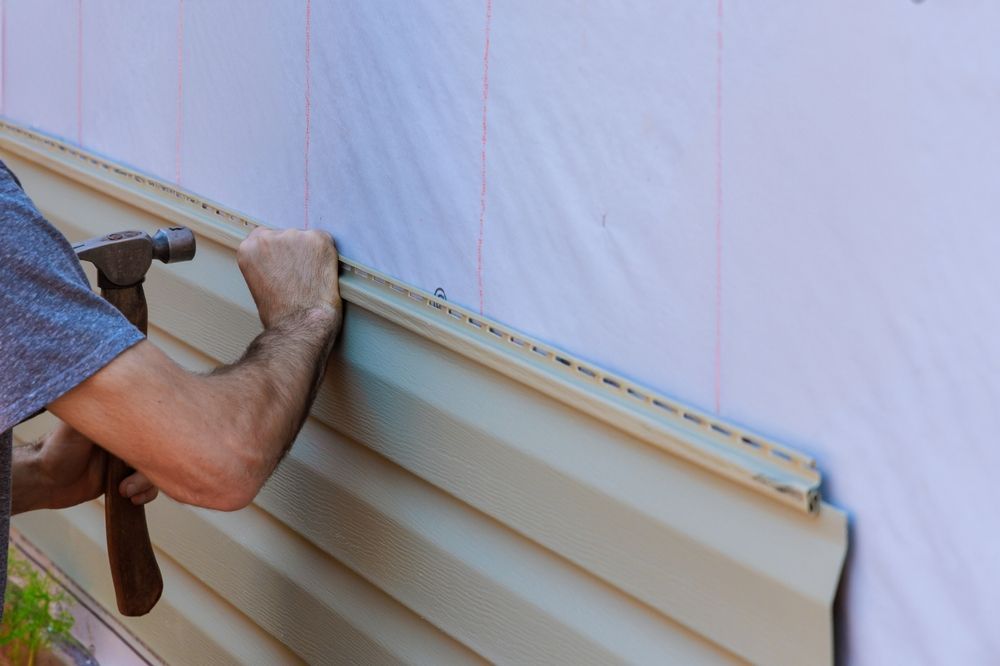
The installation process involves removing compromised materials, inspecting sheathing for moisture damage, and securing new panels with fasteners that allow for thermal expansion. In Georgia's humid climate, proper flashing at window and door openings prevents water from migrating behind the siding plane. Each seam and joint requires attention to how seasonal humidity affects material dimensions.
Schedule a property evaluation to assess current wall conditions and discuss material options suited to your home's exposure.
What Proper Siding Installation Requires
A complete installation addresses the wall system as a whole, not just the visible panels. The underlayment must shed water that penetrates the siding surface, which happens during heavy rainstorms when wind pushes moisture into lapped joints. Fastener placement matters because panels need to move slightly as temperatures shift between winter lows and summer highs in Georgia.
After installation, you'll notice that exterior walls no longer show dark streaks from water intrusion, and rooms along outside walls hold temperature more consistently. The house sheds rain visibly along the siding surface rather than absorbing it into wall cavities. Energy costs typically decrease because the new system includes foam backing or insulated panels that reduce thermal transfer through studs.
The work includes replacing deteriorated trim boards, upgrading corner posts, and matching existing architectural details. If the underlying sheathing shows rot, that gets addressed before new siding goes up, which affects both timeline and total project scope.
Here are answers to questions that come up before starting a siding project.
What Property Owners Usually Ask
What determines which siding material works best for a specific home?
The choice depends on sun exposure, proximity to irrigation systems, and whether the home has overhangs that reduce direct rain contact. Vinyl performs well in full sun because it doesn't require repainting, while fiber cement offers better impact resistance in areas exposed to storm debris.
How does siding installation account for Georgia's humidity levels?
Installers leave expansion gaps at panel ends and avoid over-tightening fasteners, which allows materials to expand during humid summer months without buckling. The underlayment system must include drainage channels so moisture that enters the wall cavity can exit at the bottom.
What happens to the existing exterior before new siding goes up?
Crews remove old siding and inspect the sheathing for water damage, soft spots, or mold growth, replacing compromised sections before installing the weather barrier and new panels.
When should homeowners plan siding installation to avoid weather delays?
Late spring and fall offer the most consistent weather windows in Griffin, reducing the chance that heavy rain will interrupt the project once the old siding is removed.
What maintenance does new siding require after installation?
Most systems need periodic washing to remove pollen, mildew, and dirt, typically once or twice per year depending on tree coverage and exposure to road dust.
Atlas Exteriors LLC completes siding installations that address both visible appearance and long-term weather resistance. Request a detailed estimate to review material options and project timelines based on your home's current condition.