
Navigating Coverage for Storm-Damaged Roofs
Insurance claim roofing assistance in Griffin for properties requiring documentation and adjuster coordination after weather-related damage
Storm damage often qualifies for insurance coverage, but the claims process involves documenting specific failure patterns, estimating replacement costs using industry-standard methods, and negotiating with adjusters who may dispute damage extent. Atlas Exteriors LLC assists homeowners with roof insurance claims by creating detailed photographic records of hail bruising, wind-torn shingles, and structural compromise, then presenting this evidence in formats insurance companies require for claim approval. The documentation must show that damage resulted from a covered peril rather than normal wear, which is why professional assessment matters—adjusters sometimes deny claims based on insufficient evidence even when legitimate damage exists.
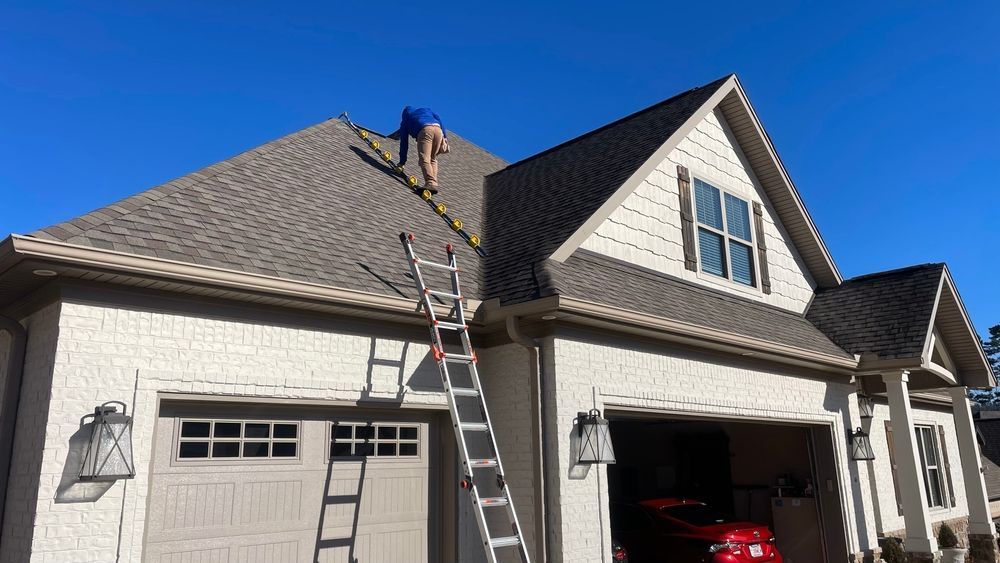
We coordinate with insurance adjusters during property inspections, pointing out damage patterns that untrained observers miss and explaining how specific failures will cause progressive deterioration if not addressed. This process prevents situations where initial claim payouts cover only partial repairs, leaving homeowners responsible for additional work needed to restore full roof function.
Arrange an on-site consultation immediately after storm damage occurs to begin documenting conditions before weather exposure degrades evidence.
How Insurance Evaluations Work for Roofing Claims
The claims process typically begins with your own documentation—photos of missing shingles, interior water stains, or hail damage visible from the ground—followed by a professional inspection that identifies issues not apparent to property owners. Contractors measure impact density per roof section, document granule loss patterns that indicate hail trajectories, and identify wind damage along roof edges where uplift forces concentrate. This information gets compiled into estimates that match insurance company formatting requirements, preventing disputes over repair scope or pricing.
After claim approval, you'll notice that the restored roof performs like the original installation did when new—no leaks during rain, proper water drainage, and uniform appearance across all sections. The process removes the burden of negotiating technical details with adjusters while providing documentation that supports fair settlements based on actual damage rather than minimal payouts.
Assistance includes attending adjuster meetings, providing supplemental documentation when initial assessments underestimate damage, and explaining repair requirements in terms insurance policies recognize. The service does not include legal representation or guarantee specific claim outcomes, but it does provide the technical expertise most homeowners lack when facing complex roofing damage assessments. Many insurance policies cover full replacement when damage exceeds certain thresholds, but identifying whether your roof meets those criteria requires understanding how adjusters calculate depreciation and assess remaining life expectancy.
Property owners facing insurance claims want to understand the documentation process and how to maximize legitimate coverage.
Answers to Frequent Service Questions
What documentation do insurance companies require for roof damage claims?
Most carriers need dated photographs showing damage extent, written estimates from licensed contractors detailing repair scope and costs, and sometimes engineer reports for structural issues—all compiled before significant time passes after the weather event.
How do adjusters determine whether damage qualifies for full replacement?
Adjusters calculate the percentage of damaged surface area, assess whether repairs would restore the original warranty and lifespan, and evaluate whether mismatched shingle sections would create aesthetic or functional problems—typically requiring 40 percent or greater damage for replacement approval.
When should I file a roofing claim after storm damage occurs in Griffin?
Contact your insurance company within days of the damage, before subsequent weather events complicate the timeline, and arrange professional inspection immediately to document conditions while evidence remains clear.
Why do some claims get denied even when visible damage exists?
Denials often result from insufficient documentation, damage attributed to normal wear rather than covered storm events, or claims filed outside policy time limits—reasons that proper professional documentation can often prevent.
What role does a roofing contractor play during the adjuster inspection?
Contractors identify damage patterns the adjuster might overlook, explain technical aspects of repair requirements, and provide real-time cost information based on current material and labor rates specific to your area.
Atlas Exteriors LLC works with property owners and insurance adjusters to document damage accurately and facilitate fair claim resolution. Call (404) 395-6084 to begin the assessment process and protect your claim with thorough professional documentation.